OEM/ODM collections | Export-ready packaging | Mixed-category sourcing

Metal Vases & Planters

Clean Lines. Lasting Quality. Timeless Style.


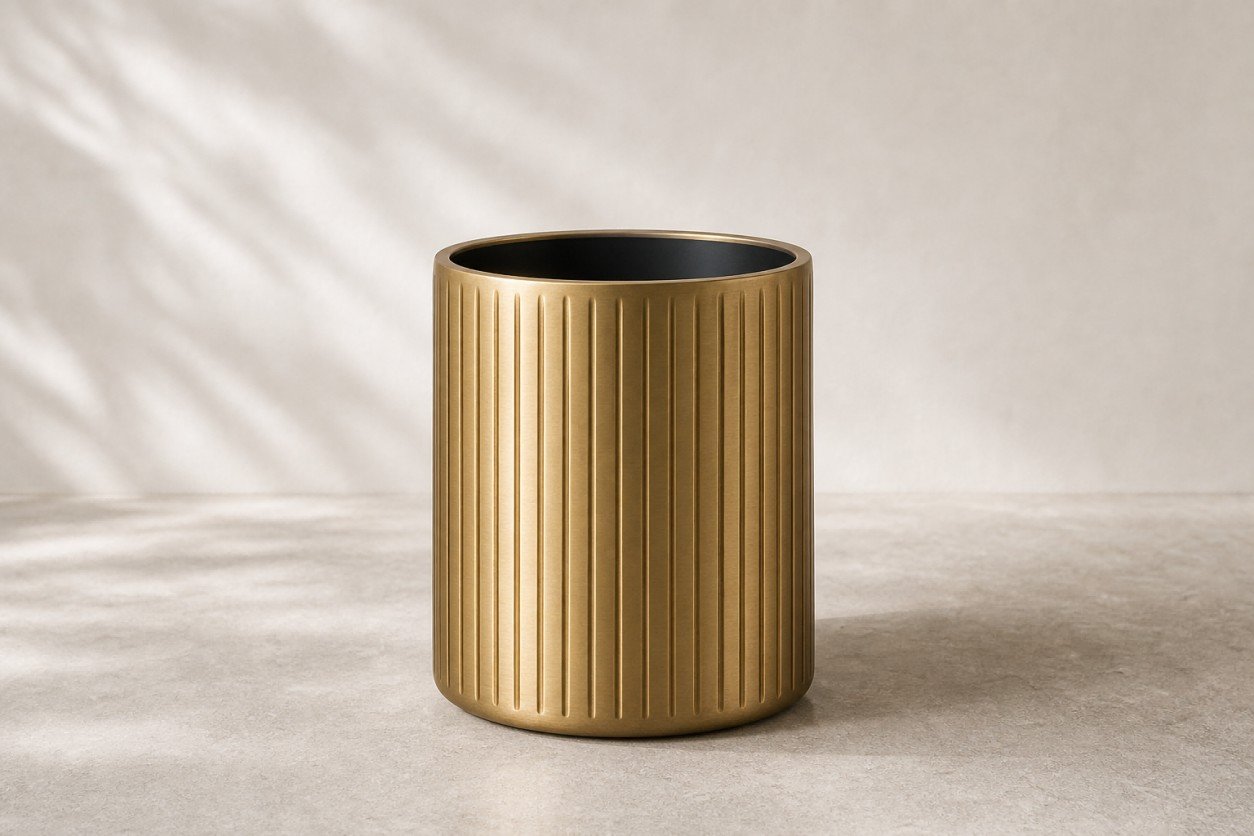
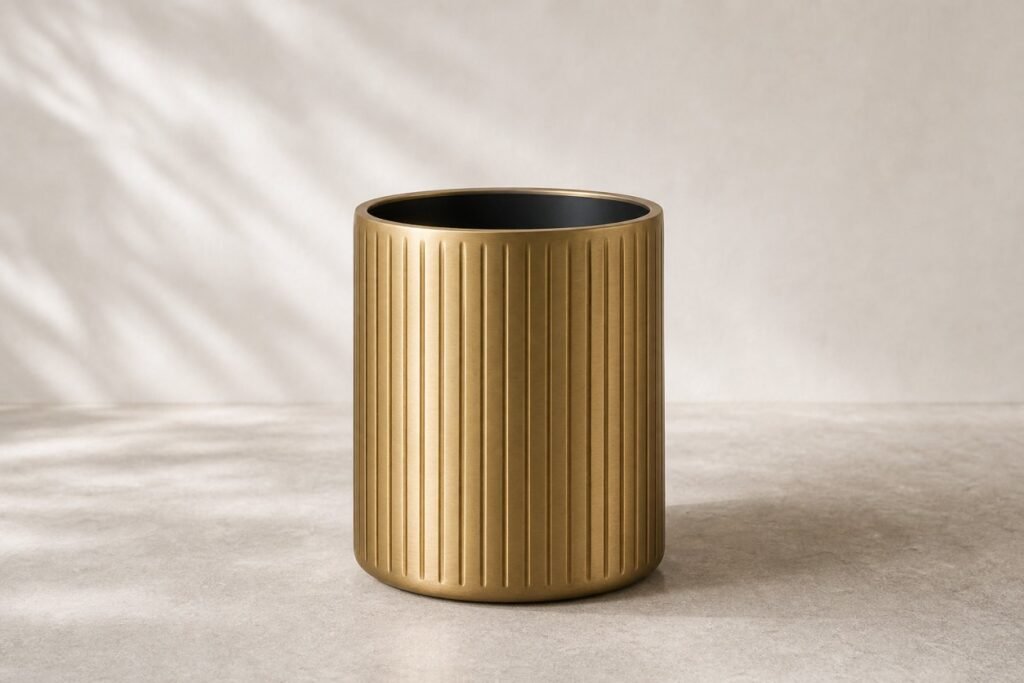
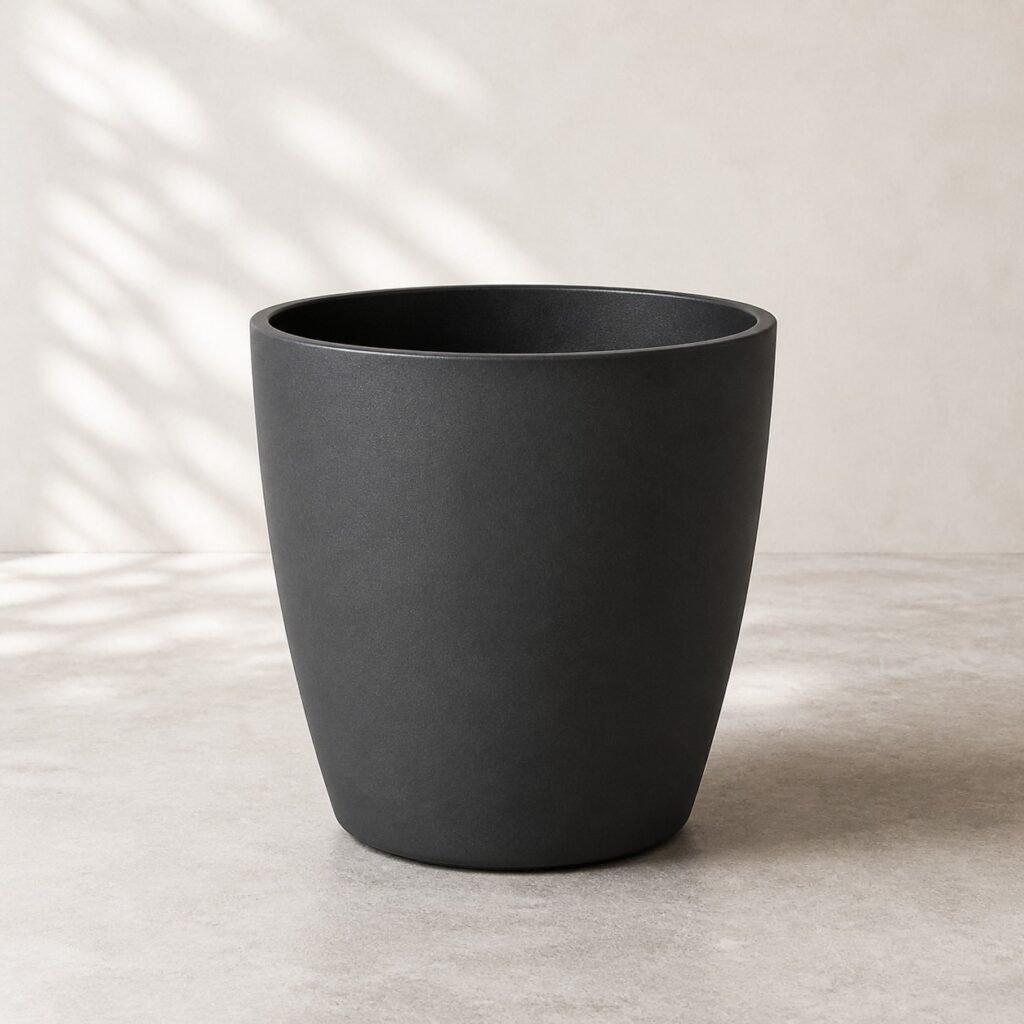
Crafted from premium aluminum with a durable powder-coated finish, our metal vases and planters blend minimalist design with industrial-grade durability — made for both high-end commercial spaces and modern residential interiors.


We offer full custom fabrication to match your project specifications: tailor shape, size, color, and functional details to bring your exact vision to life.

Have a custom project? Share your plans with our team, and we’ll send a detailed quote and production timeline within 2–3 business days.

Metal

Metal

Metal

Metal

Metal

Metal

Metal

Metal

Metal

Metal

Metal

Metal

Metal

Metal

Metal

Metal

97739ffe-0773-4e37-9e53-21e45e8dd48a

The Benefits of Metal Planters

Why Landscapers & Designers Prefer Metal Containers Strength. 

Metal boasts solid rigidity to hold heavy soil and big plants without deforming.

Weather Resistance. Treated metal stands sun, rain and wind, free from rot and pest damage.

Diverse Finishes. Supports brushed, hammered, rust antique and polished coatings for unique styles.

Flexible Shaping. Can be made slim, tall or modular to fit narrow spaces and vertical planting.

Easy Care. Smooth surfaces wipe clean easily; coated types need no frequent sealing or repair.

Learn more about the pros and cons of metal planters.

More About Fiberglass Pots

How long do metal planters last?

With normal care, commercial-grade metal planters last 10–20 years or more. The key factor is anti-corrosion coating quality. Cheaper metal planters often use thin paint processes that rust, fade or chip within a few years. Hand-sprayed, fully primed aluminum/stainless steel metal planters with automotive-grade UV-resistant fluorocarbon topcoats hold up significantly longer.

Metal planters are welded metal construction and hold premium surface finishes, including brushed metal, matte, gloss, textured powder coat. HDPE (recycled plastic) is more impact-resistant and typically less expensive, but with a narrower finish range. For high-visibility commercial installations where premium industrial aesthetics matter, most designers specify metal. For utility or high-abuse environments, HDPE planters are often the better call.

Yes. Our metal planters can be custom-painted to match any color, including RAL K7, Pantone, Sherwin Williams, and Benjamin Moore, making them suitable for brand-matched or architect-specified projects. Custom logo engraving and size adjustments are also available. Lead times vary based on current production schedules. Contact us for a quote or read more about custom planters here.

For commercial and professional applications, premium coated metal is one of the best planter materials available. It offers rigid structural strength, works indoors and outdoors, and resists deformation under normal conditions. Compared to concrete or stone, it’s much easier to handle and ship. Compared to plastic, it delivers a far higher-end, durable aesthetic for high-visibility installations. The main caveat is that quality varies considerably by manufacturer. Cheaper thin steel planters cut corners on rust-proof coating, which shows up as rusting, chipping or fading within a few years. Commercial-grade metal planters with a fully primed, automotive-quality fluorocarbon topcoat are a different product entirely.

Fully cured, intact coated stainless steel/aluminum is chemically inert. It doesn’t leach harmful compounds into soil or water, which is why food-grade stainless steel is widely used in food service equipment, water tanks. For planters growing edible plants like herbs, vegetables, or fruit trees, intact high-quality metal planters are a safe choice. One practical note: if you’re planting edibles directly in the container, make sure you have drainage holes, and use a quality potting mix with good drainage. If the coating is chipped and bare metal rusts, discontinue growing edible plants inside. The intact planter material itself is not the concern.
Yes. Properly coated metal handles UV exposure, rain, and freeze-thaw cycles without cracking or rapid fading. It performs consistently in both full-sun outdoor settings and climate-controlled interiors. Our metal planter line uses automotive-grade UV-resistant fluorocarbon paint specifically for long-term outdoor durability. Uncoated or low-grade thin steel will rust quickly outdoors.
Yes. Unlike ceramic or concrete, solid aluminum/stainless steel does not absorb moisture, so it won’t crack when temperatures drop below freezing. This makes it suitable for year-round outdoor installations in northern climates. Low-cost unprotected steel will develop rust over repeated freeze-thaw cycles even if the base material won’t crack.
Metal planters are heavier than fiberglass equivalents of the same size, but far lighter than concrete or stone. A large commercial metal planter typically weighs 30–80 lbs depending on panel thickness and dimensions. This weight makes them stable for ground placement, but adds load pressure for rooftop installations, elevated platforms, and projects where freight cost is a factor. For weight-sensitive elevated builds, fiberglass remains a lighter alternative.