
OEM/ODM collections | Export-ready packaging | Mixed-category sourcing

Plastic & Resin Planters

Lightweight Build. All-Weather Durability. Versatile Value.

Crafted from premium UV-stabilized plastic and resin composite, our planters combine lightweight practicality with long-lasting weather resistance.
 
Shatterproof, fade-resistant and low-maintenance, they perform seamlessly across indoor commercial displays, outdoor patios, retail merchandising and landscape projects.
We offer full custom fabrication to match your specifications: tailor shape, size, finish color and functional details to fit your exact project needs.
 
Have a custom project or bulk order? Share your plans with our team, and we’ll send a detailed quote and production timeline within 2–3 business days.

Metal

Metal

Metal

Metal

Metal

Metal

Metal

Metal

Metal

Metal

Metal

Metal

Metal

Metal

Metal

Metal

8231eeaa-39b2-4e55-9716-92baa6152106

The Benefits of Plastic & Resin Planters

Why Professionals Choose Plastic & Resin Containers

Weight. Extremely lightweight, simple to shift and stack in bulk.
 
Durability. Anti-crack, fade-proof and unaffected by rust or freeze-thaw cycles.
 
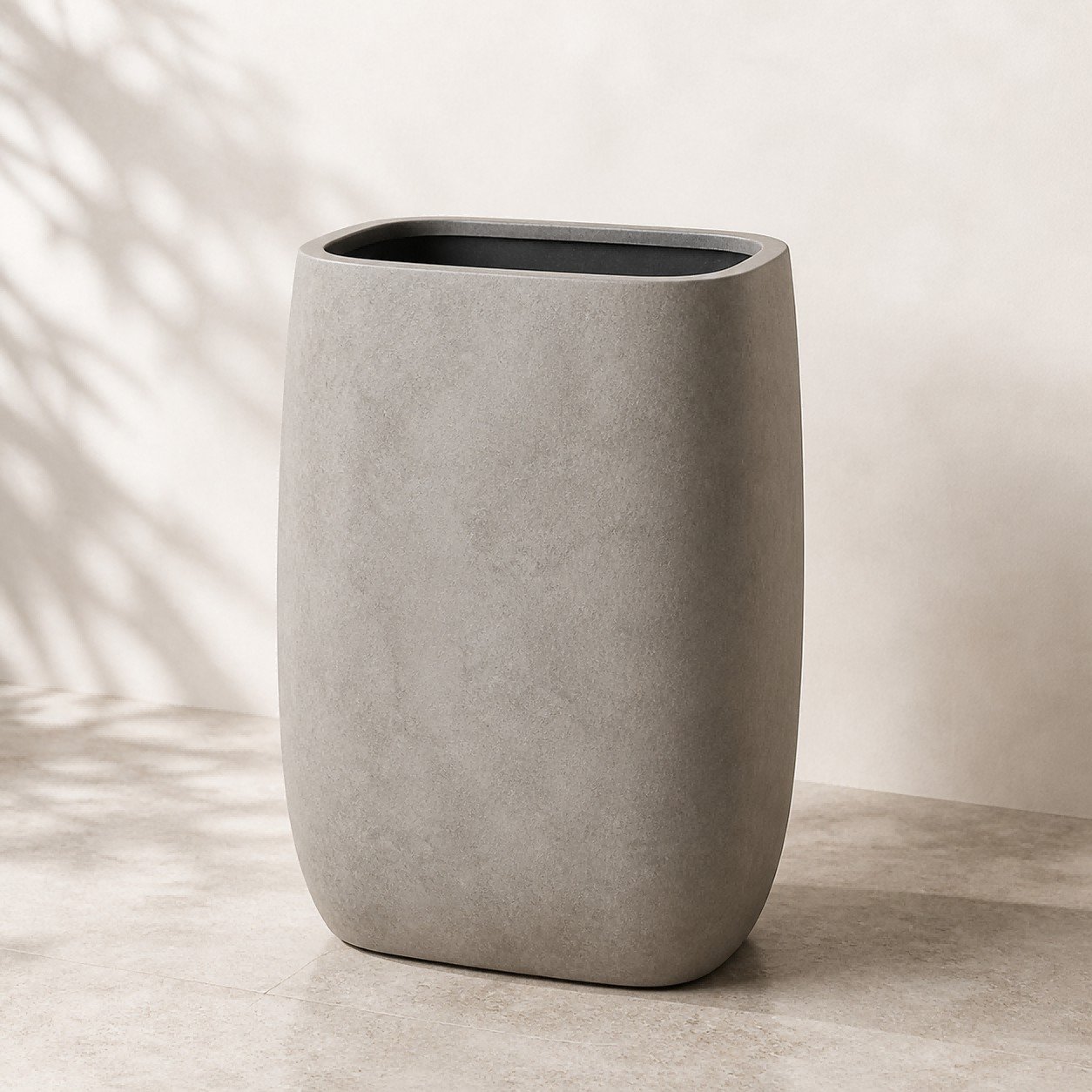
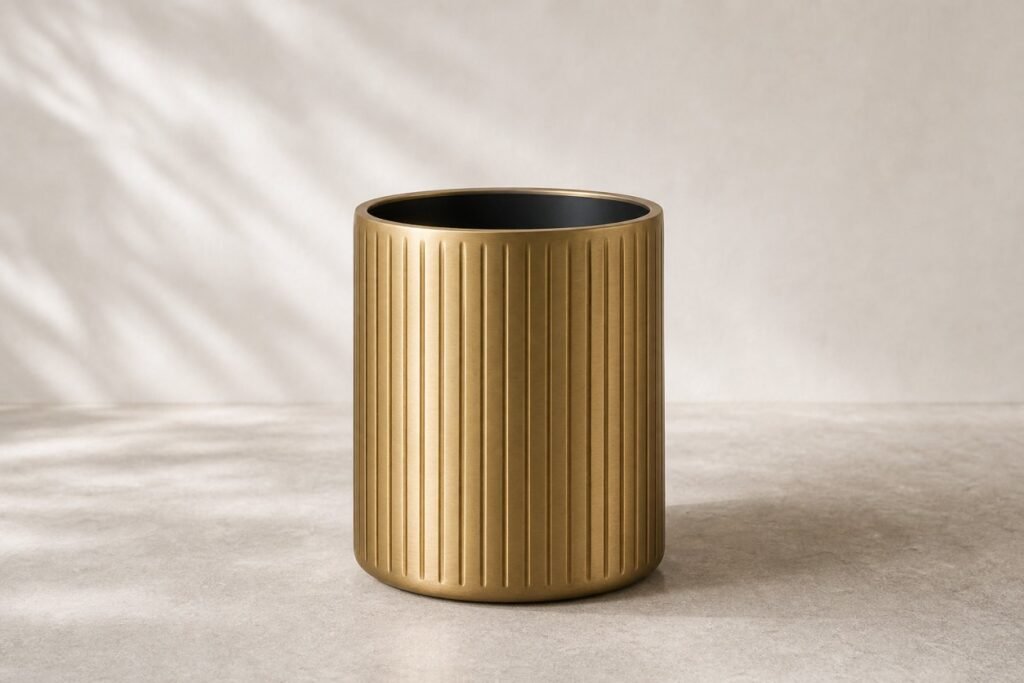
Finish range. Available in smooth, matte, stone-look and imitation metallic coatings.
 
Size flexibility. Moldable into tiny mini pots to large custom shapes stably.
 
Low maintenance. Non-porous surface repels dirt; no sealing or complex upkeep needed.
Learn more about the pros and cons of plastic & resin planters.

More About Plastic & Resin Planters

What’s the core difference between plastic planters and resin planters?
The two categories differ in raw material, molding process, finish quality and price point:
  • Plastic planters are typically injection or rotomolded from thermoplastics like HDPE and PP. They are low-cost, impact-resistant and lightweight, with a standard utilitarian finish, ideal for bulk utility and nursery use.
  • Resin planters are cast from high-density polymer resins (polyester, polyurethane, etc.). They replicate fine textures like stone, ceramic or metal, have a denser, more premium feel, and deliver better long-term weather resistance, positioned for commercial landscape and decorative projects.


Plastic series

  • HDPE (high-density polyethylene): The most common commercial grade, impact-resistant, UV-stabilizable, food-safe when virgin material is used. Available in both virgin and recycled grades.
  • PP (polypropylene): Lighter and more heat-resistant, commonly used for small desktop planters and self-watering inserts.
  • Recycled plastic: Lower cost, eco-friendly for secondary use, recommended for non-edible planting and utility scenarios.

Resin series

  • Polyester resin: High weather resistance, moldable for stone/metal texture effects, mainstream for mid-to-high end outdoor planters.
  • Eco-friendly PU resin: Low VOC, odor-free, suitable for indoor commercial spaces and premium residential use.
  • Stone-filled resin: Mixed with natural stone powder for a realistic cast stone look and feel.
Service life depends heavily on material grade and UV formulation:
  • Thin budget plastic: 1–3 years, prone to fading, brittleness and cracking under sun and frost.
  • Thickened UV-stabilized HDPE: 5–10 years of reliable outdoor use.
  • Premium commercial-grade resin: 10–15 years, with stable color and structural integrity, no powdering or cracking under normal conditions.

High-quality thickened HDPE and resin planters are frost-resistant. Unlike ceramic or concrete, they do not absorb water, so they will not crack from freeze-thaw expansion, and can be placed outdoors year-round in most northern climates.

Thin-walled cheap plastic becomes brittle at low temperatures and may crack under impact or freeze stress, so it is not recommended for unprotected winter outdoor use in cold regions.

Food-grade virgin PP and virgin HDPE planters are completely safe for growing herbs, vegetables and fruit. They are BPA-free, chemically inert and will not leach harmful substances into soil — which is why they are widely used in agricultural seedling and urban vegetable growing.

Recycled plastic, low-grade PVC and unrated resin planters are not recommended for direct edible planting, as they may contain residual impurities.

This depends entirely on material formulation:
  • Low-grade recycled plastic without UV additives: fades, yellows and becomes brittle within 1–2 years of outdoor sun exposure.
  • UV-stabilized virgin HDPE and commercial resin: maintains color and toughness for 5+ years outdoors, with no obvious brittleness or large-area fading.
     
    Our commercial-grade products all include built-in UV stabilizers to meet long-term outdoor project requirements.
  • Virgin food-grade plastic and eco-resin: non-toxic, low-VOC, recyclable, with almost no odor on new products, meeting indoor commercial environmental standards.
  • Recycled plastic: supports circular economy, but lower-grade recycled material may have a slight plastic odor that dissipates after ventilation.
     
    We clearly label material grades for all products, and can provide food-grade and environmental certification documents for project submissions upon request.

Both materials are extremely low-maintenance. Routine cleaning only requires rinsing with water or wiping with a damp cloth; stubborn dirt can be cleaned with neutral detergent.

Avoid scratching the surface with sharp tools or steel wool. For outdoor long-term use, regular surface rinsing is sufficient, no special seasonal maintenance is required.

For large-volume commercial greening, property management and municipal projects, plastic and resin planters offer unbeatable cost performance. They are lightweight to lower logistics and installation costs, highly durable to reduce replacement rates, and support functional designs like self-watering to cut long-term maintenance labor. Meanwhile, high-end resin planters can also achieve stone-like and metal-like premium textures, balancing budget control and decorative effect.