
OEM/ODM collections | Export-ready packaging | Mixed-category sourcing

Ceramic Planters & Plant Pots

Refined Texture. Durable Craft. Timeless Appeal.

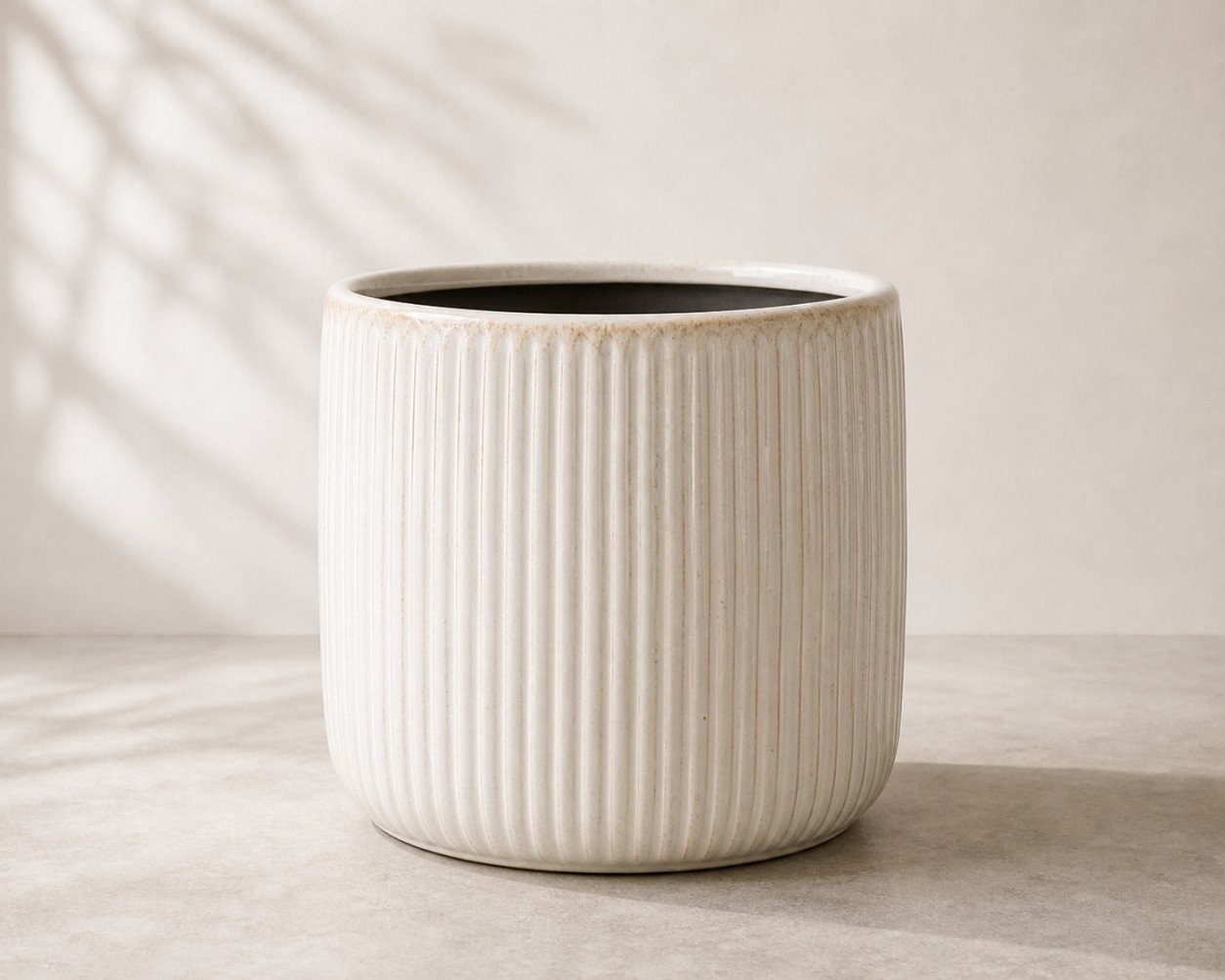
Elegant silhouettes meet premium high-fired ceramic construction. Our planters bring timeless, textured warmth to commercial and residential spaces, engineered for lasting performance in high-traffic environments and covered outdoor areas.

Fast Project Quote

Have a custom requirement, bulk order or full spec package? Share your project details with our team, and we will provide a transparent price quote and estimated lead time within 2–3 business days.

Metal

Metal

Metal

Metal

Metal

Metal

Metal

Metal

1a7e4c38-1783-4846-88f1-8e75ff963d9c

The Benefits of Ceramic Planters

Why Professionals Choose Ceramic Containers


Weight. Dense ceramic offers stable weight to avoid tipping over tall plants.

Durability. Glazed ceramic resists stains, moisture erosion and daily wear indoors and outdoors.

Finish range. Comes in glossy, matte, hand-painted and glazed textures hard to duplicate on other materials.

Shape flexibility. Moldable into delicate curved and classic decorative silhouettes with stable structure.

Low maintenance. Waterproof glaze prevents seepage, no frequent sealing or freeze-thaw cracking.

Learn more about the pros and cons of ceramic planters.

More About Ceramic Planters

How long do Ceramic Planters last?

With normal care and proper handling, high-fired commercial-grade ceramic planters can last 15–30 years or more. The key factor is firing quality and glaze durability. Cheaper low-fired earthenware planters often have porous bodies that chip, craze, or leak within a few years. Fully vitrified, high-temperature glazed ceramic planters with reinforced edges hold up significantly longer in stable indoor and mild outdoor settings

Yes. Our premium ceramic planters can be custom-glazed to match a wide range of colors, including RAL K7, Pantone, and architect-specified finishes, making them suitable for brand-aligned or bespoke design projects. Custom sizing and embossed branding are also available with minimum order quantities. Lead times vary based on current kiln production schedules. Contact us for a quote or read more about custom planters here.

For indoor commercial and professional design applications, ceramic is one of the most timeless and premium planter materials available. It carries a substantial, high-end weight, holds its glazed finish beautifully in climate-controlled spaces, and resists fading, scratching, and discoloration under normal indoor conditions. Compared to plastic or thin metal, it delivers a far more luxurious, natural appearance and feels substantial in high-visibility lobbies and showrooms. The main caveat is that quality varies considerably by manufacturer. Cheaper low-fired ceramic planters often have porous, fragile bodies that chip and leak easily. Commercial-grade fully vitrified ceramic planters, with high-temperature glaze and reinforced walls, are a different product entirely.


They perform excellently outdoors in mild, frost-free climates. High-fired glazed ceramic handles UV exposure, rain and humidity with ease — its glaze will never peel, fade or discolor in direct sun, and resists dirt and mold buildup better than many porous materials. It is a top pick for luxury patios, resort courtyards and warm-climate commercial landscapes. In regions with regular freeze-thaw cycles, they require winter shelter or indoor storage to stay intact.

No. Unlike fiberglass or metal, ceramic absorbs trace moisture through its clay body over time. When temperatures drop below freezing, trapped water expands and causes the planter to crack from within. That said, in frost-free zones ceramic outlasts many common outdoor materials: it never rusts, rots or warps, and maintains a pristine appearance year after year with minimal upkeep.
Ceramic planters are considerably heavier than fiberglass, plastic or thin metal equivalents of the same size. A large commercial ceramic planter typically weighs 60–120 lbs depending on dimensions and wall thickness. This weight is a key advantage for permanent placements: it delivers excellent wind resistance and stability, even in open outdoor areas, and lends a substantial, premium feel to lobbies and entryways. For rooftop installations, elevated platforms, and projects where freight cost is a factor, lighter materials like fiberglass are a more practical choice.
Ceramic is one of the most well-rounded premium planter materials, balancing aesthetics and plant health. Glazed ceramic has a non-porous, stain-resistant surface that wipes clean easily and resists indoor fading; unglazed terracotta variants are naturally breathable, which balances soil moisture and supports robust root growth. Its substantial weight also gives planters natural stability and a high-end, solid feel. The main caveat is that quality varies considerably by manufacturer. Cheaper low-fired ceramic planters are fragile and prone to chipping. Commercial-grade fully vitrified ceramic planters, with durable high-temperature glazes, are a different product entirely.